
Project surprises are expensive.
A missed vendor milestone, hidden cost increase, delayed approval, resource gap, or unresolved dependency can quietly grow into a major delivery problem. By the time leadership sees the impact, the project may already need more money, more time, or reduced scope.
That is why project controls matter.
Accenture’s infrastructure and capital projects practice emphasizes areas such as project supply chain, procurement planning, supplier performance, logistics, contract compliance, construction management, progress measurement, contractor performance, project information management, and AI-driven insights. These are not just large-enterprise concerns. They point to a basic truth every organization should understand: project leaders need reliable visibility into the work before problems become crises.
Project controls are the disciplines that help teams monitor and manage schedule, cost, scope, quality, risk, issues, resources, vendors, and change. In a small organization, these controls do not need to be complicated. They do need to be consistent.
The first control is schedule visibility. A project schedule should show more than task dates. It should show dependencies, critical milestones, decision points, vendor deliverables, testing windows, approval deadlines, and go-live readiness activities.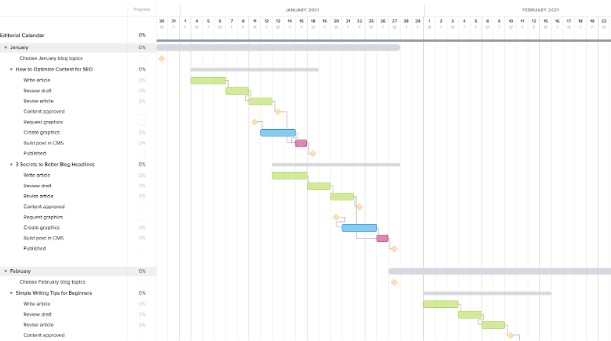
The second control is cost visibility. Budget tracking should distinguish between planned spend, actual spend, forecasted spend, pending change orders, and likely cost exposure. A project that is “on budget” today may already be trending over budget if future risks are ignored.
The third control is risk and issue discipline. Risks are potential problems. Issues are active problems. Both need owners, dates, responses, and escalation paths. A risk log that is not reviewed is just a spreadsheet.
The fourth control is vendor performance management. Many projects depend on external vendors, but organizations often manage vendors too casually. Vendor commitments should be tied to milestones, acceptance criteria, deliverables, communication expectations, and contract obligations.
The fifth control is change control. Scope changes are not inherently bad. Unmanaged scope changes are. Every change should be evaluated for impact on schedule, cost, resources, risk, and business value.
The sixth control is executive reporting. Leaders need concise, decision-oriented reporting. A useful project controls report should answer four questions: Are we on track? What changed? What needs attention? What decision is required?
Better controls do not guarantee project success, but they make failure harder to hide. They create transparency, accountability, and earlier intervention.
A small consulting firm can provide strong value by installing right-sized project controls for organizations that have outgrown informal management but do not need a heavy enterprise system. This may include a standard dashboard, integrated RAID log, milestone tracker, change control process, vendor scorecard, and executive reporting cadence.
The point is not to create paperwork. The point is to give leadership a reliable view of reality.
Projects do not go off track because no one cared. They go off track because the warning signs were not visible, not trusted, or not acted on. Strong project controls fix that.