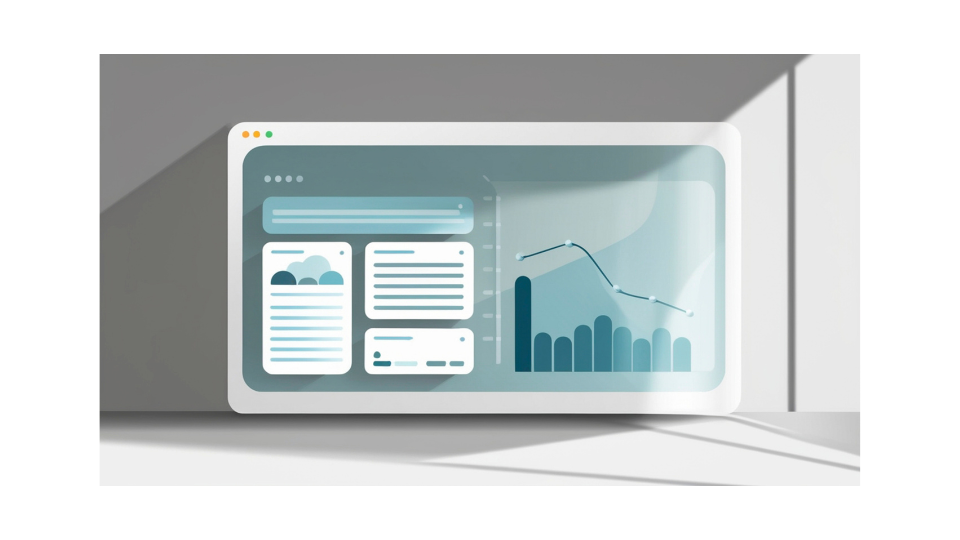
Data-Driven Project Management & Predictive Analytics
The way most projects are managed today still leans heavily on experience, intuition, and retrospective reporting. A project manager reviews status updates, identifies issues after they occur, and adjusts accordingly. That model works—until it doesn’t. The complexity, pace, and expectations around projects have outgrown purely reactive management.
Data-driven project management is the shift from hindsight to foresight. It’s about using real-time data and predictive analytics to make better decisions earlier, not just explain what went wrong after the fact. And this isn’t a future concept—it’s already happening in organizations that are serious about delivery performance.
From Gut Feel to Measurable Insight
Every project generates data: schedules, budgets, resource allocations, issue logs, change orders, performance metrics. The problem isn’t lack of data—it’s that most teams don’t use it effectively. They collect it, report on it, and archive it without extracting meaningful insight.
Data-driven project management flips that approach. Instead of asking “What happened?”, the focus becomes “What is happening right now?” and more importantly, “What is likely to happen next?”
For example, rather than relying on a weekly status meeting to discover delays, a data-driven approach continuously monitors schedule performance indicators. If certain activities start trending late or dependencies begin to slip, the system flags it early. That gives the project manager time to intervene before the issue becomes critical.
The Role of Predictive Analytics
Predictive analytics is where this approach becomes powerful. It uses historical project data, combined with current performance trends, to forecast future outcomes. This can include schedule delays, budget overruns, resource constraints, or even risk probability.
Imagine being able to answer questions like:
- Are we likely to miss our deadline?
- Which tasks are most at risk of delay?
- Where are we trending over budget?
- Which resources are becoming bottlenecks?
Instead of guessing or waiting for problems to surface, predictive models provide probabilities and trend-based insights. It’s not about certainty—it’s about better visibility into what’s coming.
Where This Shows Up in Real Projects
Schedule forecasting is one of the most practical applications. By analyzing past performance and current progress, predictive tools can estimate whether key milestones are at risk. This goes beyond simple percentage complete—it factors in velocity, dependencies, and historical accuracy.
Cost management is another area seeing major gains. Predictive analytics can detect early signs of cost overruns by comparing planned vs actual spend patterns. Instead of discovering budget issues late in the project, you get early indicators that allow for corrective action.
Risk management also becomes more proactive. Traditional risk logs rely on team input, which can be inconsistent. Data-driven approaches supplement that by identifying patterns that correlate with past project failures—things like resource overload, compressed schedules, or frequent scope changes.
Even resource management improves. Data can reveal overutilization trends, skill mismatches, and inefficiencies that aren’t obvious from static reports.
Why Most Organizations Struggle with This
Here’s the uncomfortable truth: most organizations aren’t ready for true data-driven project management, even if they think they are.
The biggest barrier isn’t technology—it’s data quality. If your project data is inconsistent, incomplete, or outdated, your insights will be unreliable. Predictive analytics doesn’t fix bad data; it amplifies it.
There’s also a cultural challenge. Many teams are used to operating on experience and judgment. Shifting to a data-driven model requires trust in the data, which doesn’t happen overnight. It also requires discipline in how data is captured and maintained.
Finally, there’s the issue of overload. More data doesn’t automatically mean better decisions. Without clear metrics and focused analysis, teams can get buried in dashboards without actually improving outcomes.
The Evolving Role of the Project Manager
This shift changes what it means to be an effective project manager. It’s no longer enough to track tasks and facilitate meetings. You need to be able to interpret data, challenge assumptions, and translate insights into action.
You don’t need to be a data scientist, but you do need to be comfortable asking the right questions:
- What is this data actually telling us?
- Is this trend meaningful or just noise?
- What action should we take based on this insight?
The value of a project manager increasingly comes from how well they can connect data to decisions. Anyone can generate a report. Not everyone can turn that report into a strategy.
Practical Ways to Get Started
You don’t need a full analytics platform to begin moving in this direction. Start with the data you already have.
Identify a small set of meaningful metrics—schedule variance, cost variance, resource utilization, and issue resolution time are good starting points. Track them consistently and review trends over time, not just point-in-time values.
Look for patterns. Are delays happening in specific phases? Are certain teams consistently overallocated? Are cost overruns tied to scope changes? Even simple analysis can uncover insights that improve decision-making.
From there, you can begin layering in more advanced tools that offer predictive capabilities. Many modern project management platforms are already incorporating these features, often powered by AI.
The key is not to overcomplicate it. Focus on insights that lead to action. If the data isn’t changing how you manage the project, it’s just noise.
The Competitive Advantage
Organizations that embrace data-driven project management gain a significant edge. They identify risks earlier, allocate resources more effectively, and make decisions with greater confidence. Over time, that leads to more predictable outcomes and higher project success rates.
On an individual level, project managers who develop this capability stand out quickly. They bring clarity in uncertain situations and can back up their recommendations with evidence, not just opinion.
That’s a different level of credibility, especially with executives.
The Bottom Line
Data-driven project management isn’t about replacing experience—it’s about strengthening it. Your judgment still matters, but it’s informed by better information and forward-looking insight.
Predictive analytics doesn’t guarantee success, but it dramatically improves your ability to see what’s coming and respond before it’s too late.
And in today’s environment, that’s the difference between managing projects and truly leading them.
#projectmanagement #comet-app #unifieddatabase #data-driven #predictive-analysis